
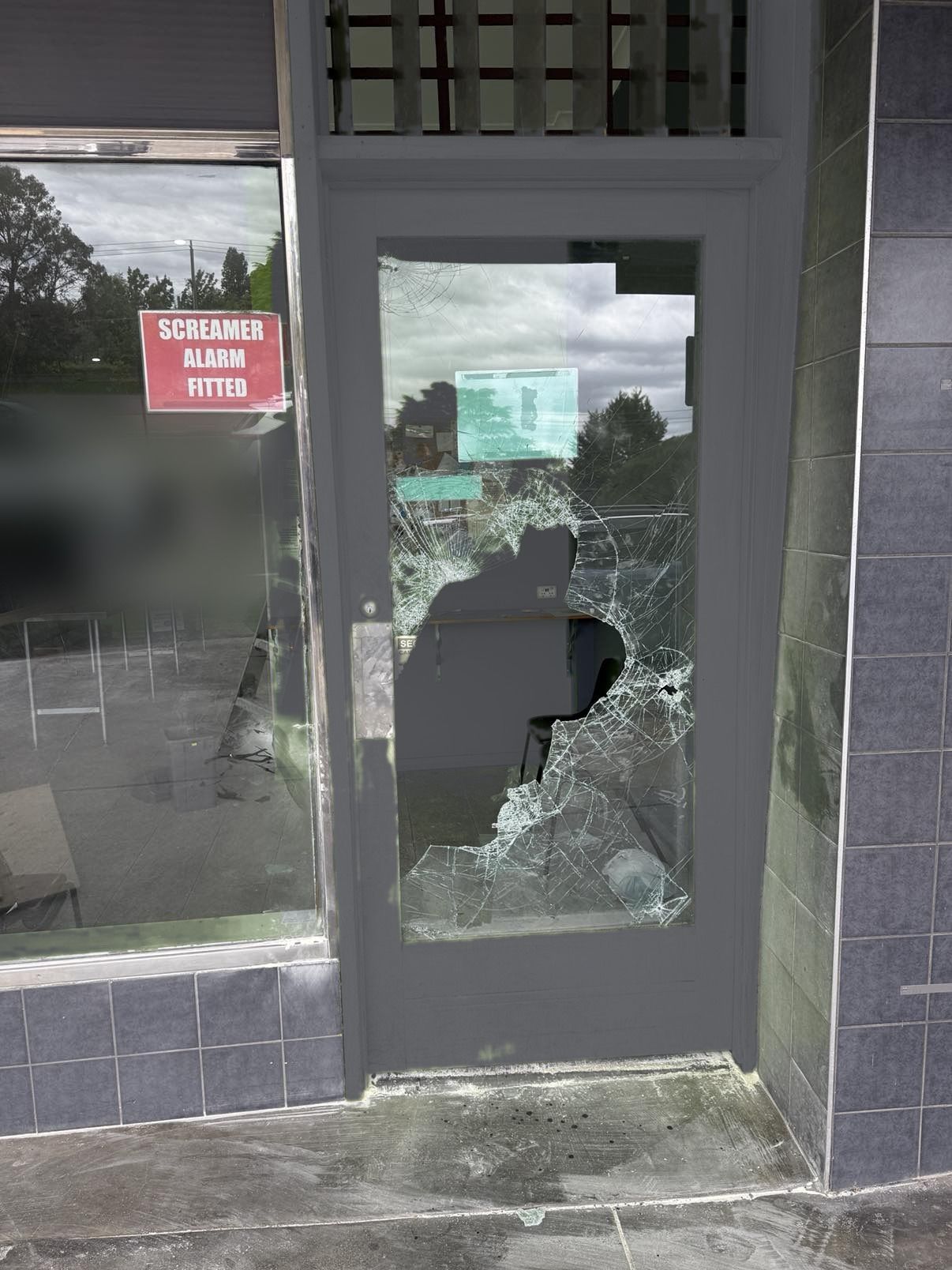
A break-in is disruptive, costly and unsettling. What a business does in the days that follow matters just as much as the incident itself.
Offenders now know the layout of the site, what is inside and how the security system responded. Until the gaps are closed, the weeks after a break-in should be treated as a higher-risk period.
This practical recovery plan covers the first hours, the first week and the first month.
First hours: put safety first
If there is any chance offenders are still on site, do not enter. Call 000. Once the site is safe, report the break-in to police and follow their advice before cleaning up or moving anything.
Contact your insurer early. They can explain what they need from you to support a claim.
First hours: save the footage immediately
Recorders overwrite older footage automatically. Relevant footage should be identified and exported as soon as possible, before it is lost.
- Check the recorder was not stolen or damaged
- Export footage from every camera near the entry point and affected areas
- Include the period before the break-in, when offenders may have checked the site
- Keep a copy stored away from the recorder
If you are unsure how to export footage, contact your security provider straight away.
First hours: make the site secure again
Damaged doors, windows, roller doors and locks should be repaired or temporarily secured. The alarm system should be checked, as detectors, sirens, keypads or the panel itself may have been damaged or disconnected.
If the alarm is monitored, confirm it is communicating with the monitoring centre before the site is left unattended again.
First hours: cancel what was taken
Stolen items can give offenders a way back in. If any of the following were taken, act on them the same day.
- Keys: rekey the affected locks
- Access cards or fobs: cancel them in the access control system
- Alarm codes: change any code that may have been exposed
- Laptops or phones: change passwords for CCTV apps, remote access and business accounts
With electronic access control, cancelling a lost card takes minutes. Read more about moving from keys to electronic access control.
First week: work out exactly what happened
Before deciding what to fix, understand how the break-in occurred. A review should answer a few key questions.
- How did the offenders get in, and how did they leave?
- Did the alarm activate, and when?
- What happened after the alarm activated?
- Did the cameras capture useful detail, or only general movement?
- Which areas had no detection or coverage at all?
If the alarm is monitored, the monitoring centre's event records can show exactly when signals were received and what actions followed.
First week: look after your people
Staff can be shaken by a break-in, particularly if they discovered it. Let them know what has happened and what is being done to secure the site.
Knowing the business is taking action helps restore confidence.
First month: close the gaps that were exposed
Most break-ins reveal specific weaknesses. The response should target those weaknesses, rather than replacing everything at once.
- Detection added at the entry point that was used
- Perimeter detection to raise the alarm earlier
- Camera coverage improved at entries, with better night performance
- Monitoring added, or the response procedure reviewed
- Access control for doors that relied on keys
First month: review the whole system
A break-in is often the first sign that a security system has fallen behind. Ageing panels, unsupported recorders and outdated detection may affect the whole site, not just the area targeted.
See our guide to the signs your commercial security system is due for an upgrade.
First month: confirm what your insurer expects
Some policies include conditions relating to alarms, monitoring or other security measures. After a claim, it is worth confirming with your insurer or broker whether your current system meets the terms of your policy.
Break-in recovery checklist
Work through each step and tick it off:
- Site confirmed safe and police notified
- Insurer contacted
- Footage exported and stored separately
- Doors, windows and locks repaired or secured
- Alarm tested and monitoring confirmed
- Stolen keys, cards, codes and passwords cancelled or changed
- Break-in reviewed against alarm and camera records
- Staff updated
- Gaps identified and upgrades planned
- Insurance requirements confirmed
Commercial security upgrades and monitoring
In Line Electronics assesses, repairs and upgrades electronic security systems for businesses across Melbourne and the Mornington Peninsula.
Security System Upgrades | 24/7 Alarm Monitoring | Service & Maintenance
Recovering From a Break-In?
If your business has been broken into, In Line Electronics can inspect the damage, restore your system and help close the gaps that were exposed.
Get in Contact